Blockchain Technology and Business Models — 3 aspects to consider

Picture of Dam LyLy
저자
게시됨
4 mins read
Table of Contents

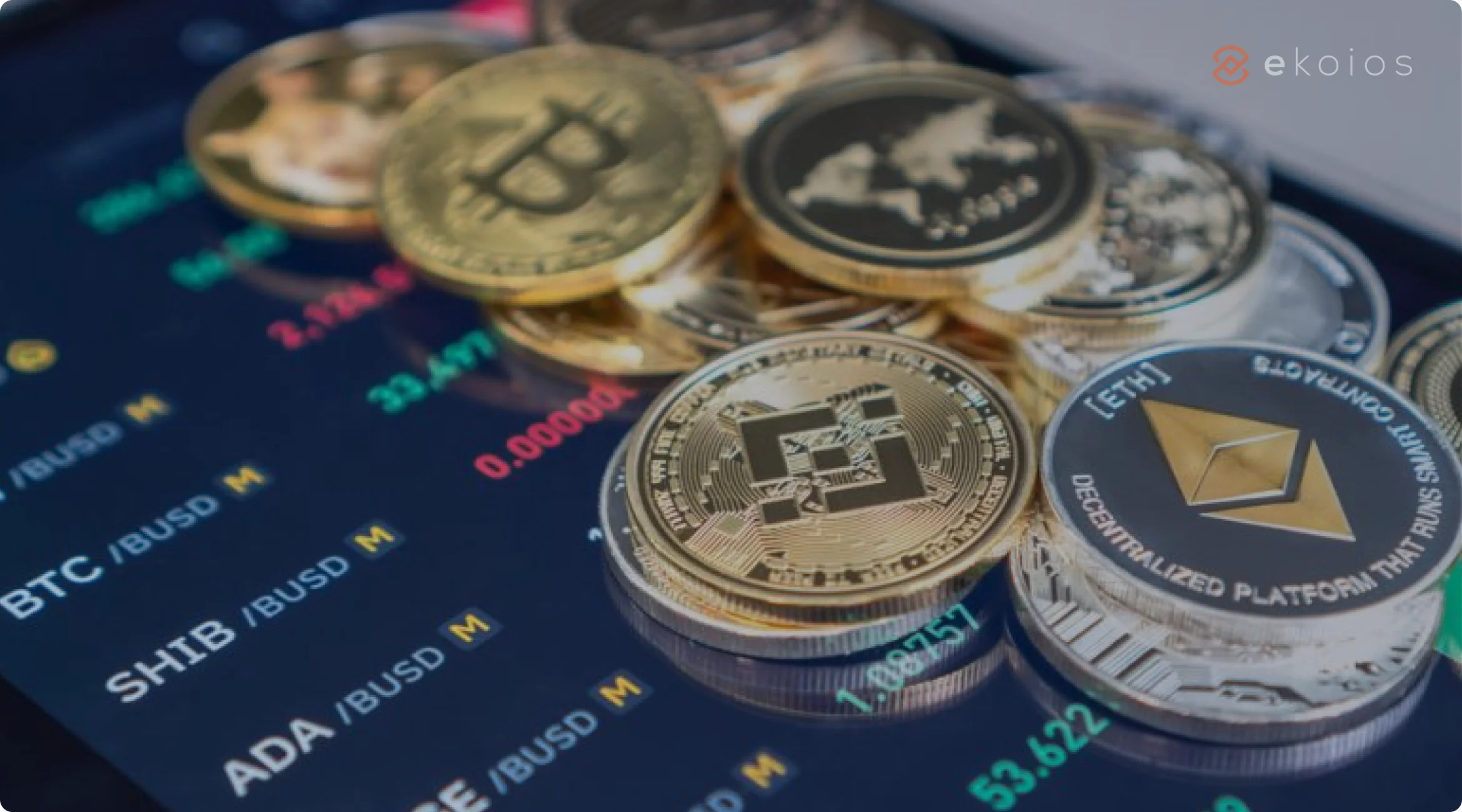
Nowadays, we have seen how blockchain technology can change the way consumers share and store data through secured chains of cryptographic blocks. Not only can blockchain revolutionize currency, but it can also codify areas such as events, medical records, transaction processing, voting, and much more.

The advantages of blockchain include the decentralization of user data, which is achieved through the public network of participants who form a consensus that the information presented is accurate. Instead of one entity or corporation having control of the data, blockchain data is shared throughout its participants, where these users have the power to add code to a blockchain.

Blockchain also creates the potential for crypto assets, which could move commodities into a tokenized set of crypto data to be used on a commercial level.

The popularity of blockchain technology gives way to new business models and propositions for companies that want to promote decentralized technology-oriented business models. However, when it comes to evaluating technology and its practicality, we should consider these three aspects: decentralization, crypto-asset, and business model.

1. Decentralization

Decentralization is the biggest driving force behind the shift to blockchain technology and business models. By decentralizing data on a public record, block-level data is transparent to all users. Since blockchain is fully decentralized, the coding is open source, so that one entity does not own or control the information and decentralization grows stronger with the entrance of new users. The more people engage in the network, the harder it is for an individual to censor information for the public.

Blockchain technology usecases are typically decentralized along one of four vectors: political, architectural, commercial, or contractual. Let us take a deeper look:

  • Political decentralization: Political decentralization refers to how many individuals or organizations control the system. Political decentralization strengthens as more people engage in blockchain activities — the more individuals involved, the less power they each have over the influence.
  • Architectural decentralization: Architectural decentralization refers to the amount of computational hardware and software required by a system to operate. Blockchain follows architectural decentralization because there is no central infrastructural point (i.e., no one computer that is at the center of the network).
  • Commercial decentralization: Commercial decentralization refers to the business models and opportunities that a decentralized network creates. For example, a decentralized method of currency transaction disrupts the typical banking model with set fees and interest rates, enabling direct people-to-people transfers.
  • Contractual decentralization: Contractual decentralization, known as “smart contracts” in blockchain technology, relies on the blockchain code to initiate a transaction between individuals. The contract is devoid of human mediation and initiates a transaction once both parties have abided by the rules of the contract.

2. Crypto Asset

Crypto assets are another lens under which to evaluate the technology. They determine the behavior of the technology and its monetization potential. A crypto asset can take three forms: a crypto commodity, a token or a cryptocurrency.crypto asset

  • Crypto commodities: In the physical world, popular commodities include metals and oil. However, in the digital world, they correspond to network, storage, compute and protocol, helping create tokenized digital products. Within crypto commodities, more than one will likely scale based on the use case.
  • Tokens: Tokens are analogous to finished digital products built through crypto commodities. Although there are many solid use cases of tokens, lots of them really do not need to exist or have weak use cases. One needs to carefully consider how the crypto commodities build these tokens and whether the use cases really create value.
  • Cryptocurrency: cryptocurrency is a new form of digital asset based on a network that is distributed across a large number of computers. This decentralized structure allows them to exist outside the control of governments and central authorities.

📌 Read more: Using Blockchain for Cross-border Payments

3. Business Model

The final and most critical aspect is whether a business model makes sense in terms of how value is created and whether some sort of sustainable economic logic is visible. In the blockchain world, assets, trusts, ownership, money, identity, and contracts (ATOMIC) are all programmable.

The business model is created based on which one of these is monetized, what is subsidized, and how dollars flow through the business. It is important to understand how each of the above ties into a cohesive business model.

blockchain applied in business model

One of a few rising blockchain business models is the Token Economy, which involves driving the functionality in business through the use of tokens. Recently, the decentralized economy emerges as part of a critique of existing market-economy systems. Virtual currencies and assets are making decentralization possible, which undoubtedly influences the economy. As there is little government intervention, goods and services are in the hands of private companies which arise higher quality and better prices because it is the offer that determines the demand for goods and services.

🔎 For example, Genesis Kingdom – a real estate trading platform developed by Ekotek – allows users to tokenize their land and raise capital more efficiently as it gives investors unprecedented access to private real estate investments, transparency, and liquidity. More case studies

Jumpstart blockchain development with Ekotek

Ekotek Technology spearheads Blockchain Technology of APAC as we universalize Blockchain applications. We have been providing consulting and development services for many startups and enterprises and successfully helped them launch their Token, Cryptocurrency Exchanges, eWallet, and Application. With our deep experience in Blockchain and team of highly skilled software developers on board, we possess the expertise needed to turn your idea into reality and provide you with 24/7 support during the process, ensuring the highest quality at a very affordable cost.

Got a web3 business idea that you’re confident with?
Browse our web3 development services and see what suits you

Explore now

공유하기
Facebook
Twitter
LinkedIn
최고의 인사이트를 이메일로 받아보세요

    관련 게시물

    저희가 어떻게 도와드릴 수 있는지 확인해 보세요!

    베트남 아웃소싱을 고려하고 계신가요?

    베트남의 주요 21개 아웃소싱 회사를 모든 분야와 산업별로 다룬 가이드와 함께 귀사에 가장 적합한 회사를 찾아보세요.
    Table of Contents

    저희가 어떻게 도와드릴 수 있는지 확인해 보세요!

    전략 상담 예약을 위해 이메일을 남겨주세요 – 전액 무료로 제공됩니다!

      Dylan Dong Do
      최고경영자
      딜런 동 도
      Dylan Dong Do는 제품 및 ITO 기업 전반에 걸쳐 15년 이상의 경영 경험을 보유한 숙련된 리더입니다. 그의 리더십 하에 Ekotek은 5년 만에 소규모 팀에서 200명 이상의 숙련된 전문가들로 구성된 번창하는 조직으로 성장하였습니다.

      Dylan의 경력 전반에 걸쳐 그는 놀라운 성과를 달성해 왔습니다. 2009년에는 batdongsan.com.vn 개발에 핵심적인 역할을 하여 베트남 최고의 부동산 매물 플랫폼으로 자리매김하였습니다. 2018년에는 VTI의 Chief Operating Officer로 승진하여 30명 규모의 팀을 300명이 넘는 강력한 조직으로 성장시키는 데 기여하였습니다.

      기술 혁신을 일상생활에 통합하고자 하는 열망으로 Dylan Dong Do는 Ekotek을 설립하였습니다. 그는 회사의 방향성을 설정하기 위해 첨단 기술에 대한 지식과 기술을 꾸준히 업데이트하여 글로벌 트렌드에 부응하고 고객의 요구에 더욱 효과적으로 대응할 수 있도록 하고 있습니다.