AI-enabled Business: How Computer Vision Is Disrupting Industries

Picture of Thomas Tran
저자
게시됨
5 mins read
Table of Contents

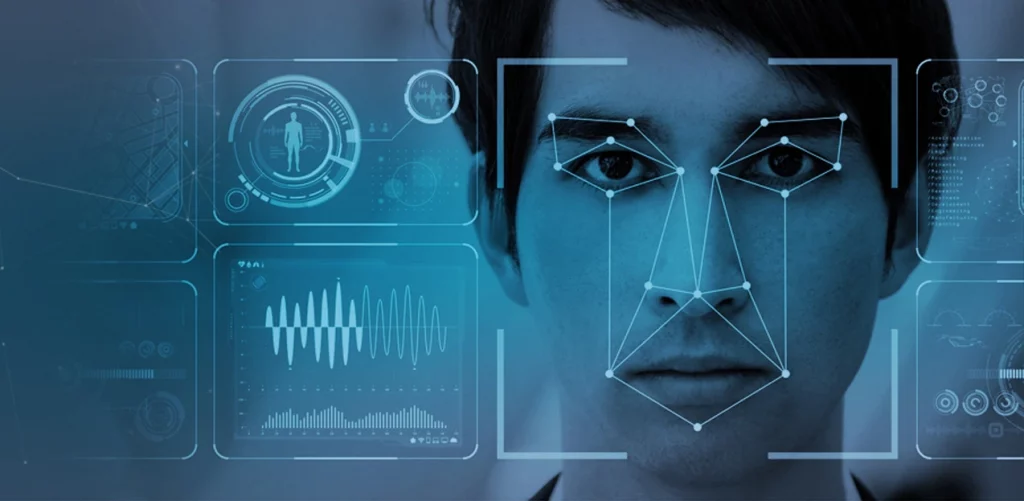
Computer vision (CV) refers to the processes and technologies involved in helping machines “see” the world much like humans do by interpreting and understanding context. The difference between a machine and a human is that algorithms process information by transforming it into numerical models. Although CV originated in the late fifties, it has grown exponentially in the last decade due to increased computational power offered by cloud technologies, dedicated hardware, and more advancements.

Computer vision has numerous applications; in healthcare, security, automotive, robotics, sports, and others. It’s a market that is expected to reach close to $22 billion by 2026.

This type of artificial intelligence takes as input any graphic material such as photos, illustrations, videos, or CCTV footage, and strives to identify objects as recurring patterns. This is an iterative process that becomes more accurate when a large number of slightly different images are used. Right now, some algorithms are already over 95% reliable, even in high-precision fields such as cancer diagnosis or automotive quality assurance.

📌 Read more: How Computer Vision is changing the world for the better

Here are some of the applications of computer vision in notable business sectors.

Improving Diagnostics in Healthcare

Early diagnosis, in some cases, can make the difference between life and death. Computer vision can provide fast and accurate identification of specific tumors and confirm their malign nature. The results have exceeded even those of very skilled oncology professionals, reaching 95%. This is because CV can go beyond the skin surface and think in 3D rather than analyzing just the outline.

Improving Diagnostics in Healthcare

Advancements in this area lead to the further development of geometric deep learning tools. These are algorithms that can learn to read a biopsy much more quicker than humans. If, until now, a doctor was just double-checking the results with the computer, soon we can expect these two roles to swap.

For example, Ekotek Technology developed an AI platform called eMed with the ability to collect, label, training, and test medical images from a wide range of hospitals, and medical institutions. After that, the system can help doctors analyze the images and automatically detects different kinds of disease such as Brain Aneurysm, Spine Fracture, and Dental Cyst.

Another disease that could benefit from the progress of computer vision is Alzheimer’s. Deep learning algorithms can learn to track the activity of brain cells and identify spikes and valleys in the functioning of the brain. This is an area where doctors could never monitor the patient at such a level of detail.

Making the World a Safer Place

Human rights activists are fighting against more surveillance and warning the world that Big Brother is already here for good reasons. As Caty O’Neil warns in “Weapons of Math Destruction”, algorithms are dangerous due to their black-box nature (offering little or no information about their underlying decisions), the bias of the training sets used, and the potential for built-in discrimination.

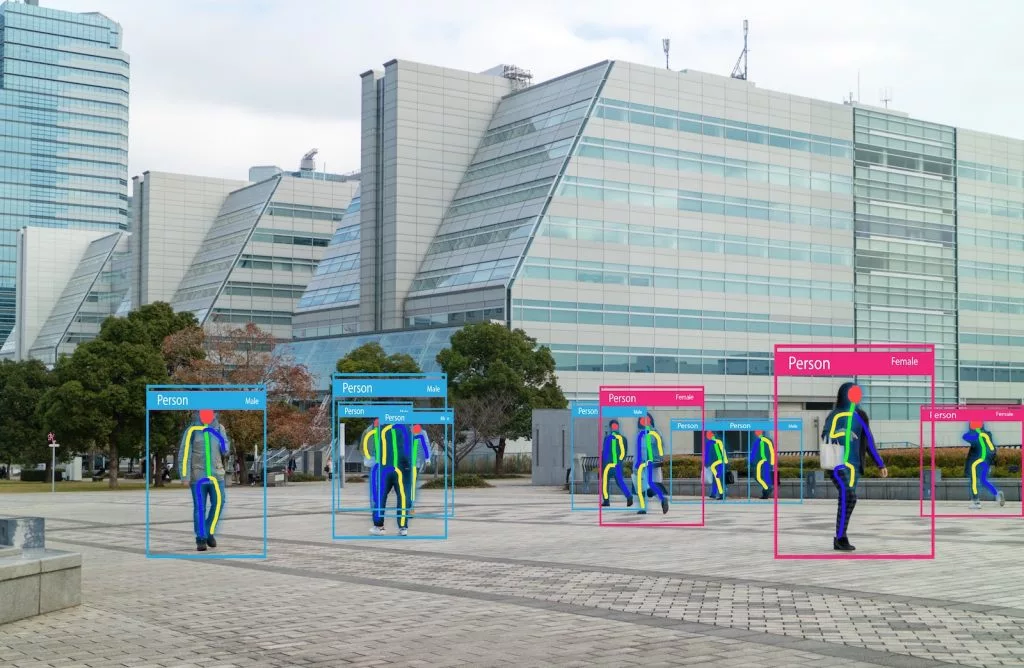
making the world a safer place

Yet, computer vision is making the world safer everywhere: at airports, concert halls, stadiums, and museums. Public places have become a favorite target of terrorists and other potentially dangerous individuals, and identifying such threats as soon as possible is necessary.

The challenge is building models that will be accurate enough to identify potential criminals on the go, even if those individuals are wearing makeup or disguises. Some of the underlying technologies include isoluminant to address differences rendered by light angles and 3D template matching.

Enhancing the Automotive Industry

Self-driving cars are the most obvious application of computer vision, but there are a lot of other uses in the automotive industry. This sector is known to be an early adopter of all new technologies, and industrial manufacturers are some of the biggest clients of CV providers. Less glamorous uses of CV in the automotive industry include parts and paint inspection, welding, and robotic automation on the production line.

computer-vision-automotive

Coming back to autonomous vehicles, they typically feature cameras to detect objects around them and avoid collisions, but they also deploy LiDAR systems. These operate in a similar way to bats: sending out a (light) signal and evaluating the response from the object.

Facilitating Retail Experiences

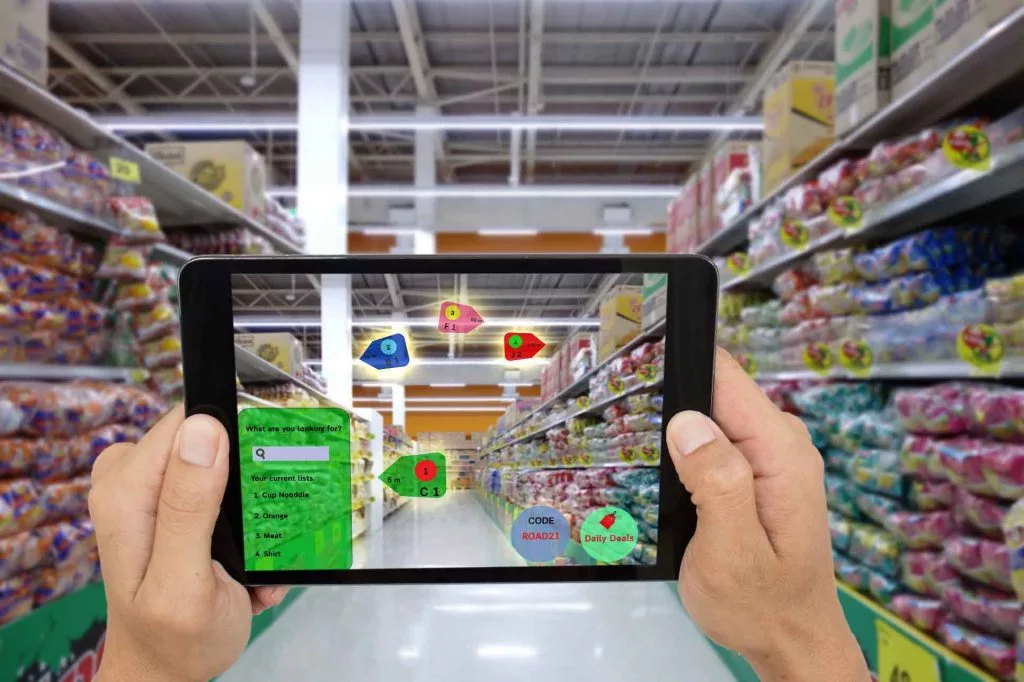
The barcode was a revolution in retail, but that standard should be retired, as it’s 40 years old already. The current state of computer vision allows stores to monitor shoppers and automatically scan their shopping carts as they walk between the aisles.

Facilitating Retail Experiences

This is not the only change CV can bring to this industry. It can offer a personalized shopping experience if the system uses facial recognition to identify clients—much like a loyalty card. This is a step up from regular VIP programs.

Another way CV can increase sales is by digitizing the shelf. Using CCTV footage and computer vision technology can translate into a digital version of the merchandising efforts. For example, companies could have accurate reports of the clients’ interactions with their products, including how many times they pick items up and put them back (similar to abandoned carts online), and determining how much space competitors take on the shelves.

Assisting with Better Crops and Livestock Counting

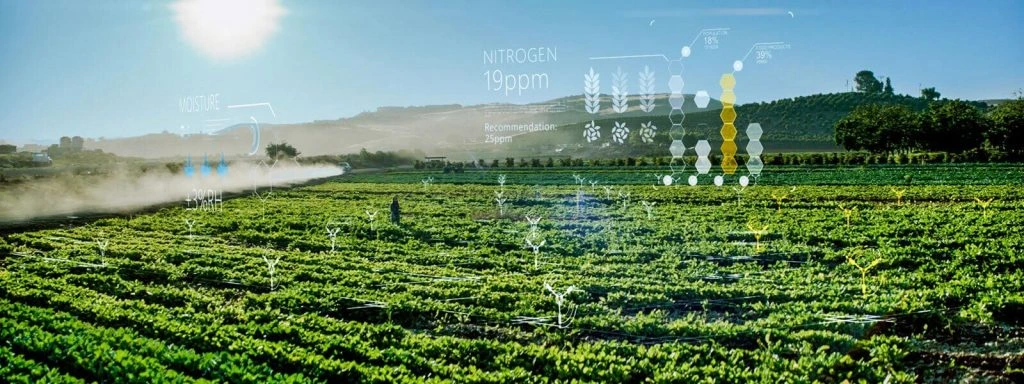
Automation is as necessary for agriculture as it is for industrial processes. The increased pressure to cut costs means that more and more activities have to be delegated to robots. Computer vision can help in mapping, estimating crop yield, counting livestock, and more tasks, including soil analysis.

AI in Agriculture

Some of these solutions can be so accurate that they map out the chemical composition of the soil, a piece of information that’s especially useful when buying agricultural land or converting existing crops.

Another possible use is evaluating the ripeness degree of crops to plan out work and hire seasonal staff. This is especially important for those crops which have a short harvest window before they become unusable.

Room for Improvement

Although CV has the power to change business workflows as we know them, the technology still has a hard time tackling small visual variations—i.e. classifying something like an ostrich with just a little bit of added noise in the original image.

Each step of the process needs to be improved. Classifying images requires extensive libraries of millions of tagged images taken from different angles, with color saturation and lighting variations. Segmentation requires refinement in how object borders are detected and color-coded.

As the technology improves gradually, though, it will penetrate more sectors and help professionals make decisions faster and safer while giving customers and users more efficient, powerful experiences.

Make your business AI-enabled for greater success. Contact us now for a free consultation session!

Got a web3 business idea that you’re confident with?
Browse our web3 development services and see what suits you

Explore now

공유하기
Facebook
Twitter
LinkedIn
최고의 인사이트를 이메일로 받아보세요

    관련 게시물

    저희가 어떻게 도와드릴 수 있는지 확인해 보세요!

    베트남 아웃소싱을 고려하고 계신가요?

    베트남의 주요 21개 아웃소싱 회사를 모든 분야와 산업별로 다룬 가이드와 함께 귀사에 가장 적합한 회사를 찾아보세요.
    Table of Contents

    저희가 어떻게 도와드릴 수 있는지 확인해 보세요!

    전략 상담 예약을 위해 이메일을 남겨주세요 – 전액 무료로 제공됩니다!

      Dylan Dong Do
      최고경영자
      딜런 동 도
      Dylan Dong Do는 제품 및 ITO 기업 전반에 걸쳐 15년 이상의 경영 경험을 보유한 숙련된 리더입니다. 그의 리더십 하에 Ekotek은 5년 만에 소규모 팀에서 200명 이상의 숙련된 전문가들로 구성된 번창하는 조직으로 성장하였습니다.

      Dylan의 경력 전반에 걸쳐 그는 놀라운 성과를 달성해 왔습니다. 2009년에는 batdongsan.com.vn 개발에 핵심적인 역할을 하여 베트남 최고의 부동산 매물 플랫폼으로 자리매김하였습니다. 2018년에는 VTI의 Chief Operating Officer로 승진하여 30명 규모의 팀을 300명이 넘는 강력한 조직으로 성장시키는 데 기여하였습니다.

      기술 혁신을 일상생활에 통합하고자 하는 열망으로 Dylan Dong Do는 Ekotek을 설립하였습니다. 그는 회사의 방향성을 설정하기 위해 첨단 기술에 대한 지식과 기술을 꾸준히 업데이트하여 글로벌 트렌드에 부응하고 고객의 요구에 더욱 효과적으로 대응할 수 있도록 하고 있습니다.